
The Team Behind PolyArmor: From Waterproofers to Coating Chemists
Most roof coatings get invented the same way. A chemist in a lab designs something, a marketing team writes a brochure, and a sales rep shows up at a roofing company explaining why this new product is better than the last one. The contractors installing it are an afterthought — they’re the last people to see the bucket.
PolyArmor was built backward from that. It was designed by people who spent the first decade of their careers on a roof, watched every product on the market fail in predictable ways, and decided to build something better themselves. The chemistry came second. The problem came first.
It Started in the Mid-2000s, on Real Buildings
The company that became PolyArmor started as a commercial waterproofing contractor in the mid-2000s. They were the guys you called when your parking deck was leaking into the garage below, or when the below-grade wall of a distribution center was sweating through into a warehouse. Waterproofing is an unforgiving specialty — there’s no “close enough.” Either the water is stopped or it isn’t.
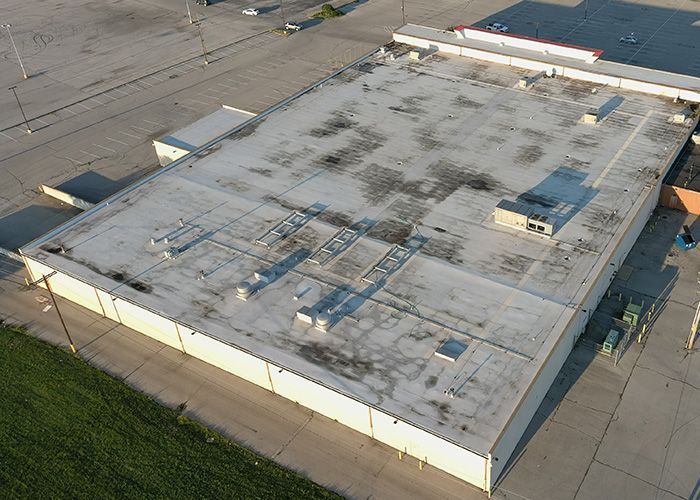
As the commercial side of the business grew, more and more of the work shifted up to the roof. Low-slope industrial buildings. Manufacturing plants. Warehouses with 200,000 square feet of membrane to worry about. And the pattern was the same across all of them: customers didn’t want to replace roofs. They wanted to stop the leaks and keep operating.
The team tried every product on the market. Asphalt emulsions that softened in the heat. Acrylics that redissolved in ponded water. Silicones that couldn’t be walked on without slipping. Urethanes that wouldn’t cure in humidity. Each one worked well enough on a nice roof in nice weather, and each one failed on the roofs that actually needed help.
The Industrial Roofs Nobody Wanted to Touch
The breaking point came on a cement plant.
Cement manufacturing is about as hostile an environment as a roof will ever see. The dust is abrasive. The chemistry is alkaline. Foot traffic is constant — techs walking to silos, inspecting equipment, fixing conveyors. The heat is relentless. A standard roof coating in that environment might last two years if the stars aligned.
Looking for anything that might hold up, the team started looking outside the roofing industry entirely. They noticed something: truck bed liners. The same 100% solids polyurea sprayed into the bed of a pickup truck would shrug off rock chips, chemical spills, and years of tools being thrown into it. That’s the kind of durability a cement plant roof needed, and nobody was using that chemistry up there.
The problem was practical. Truck bed liner polyurea is sprayed with expensive, heated plural-component equipment by trained crews in controlled shop conditions. You can’t put that rig on a 40,000 square foot roof and expect a normal roofing contractor to operate it.
The Chemistry Rewrite
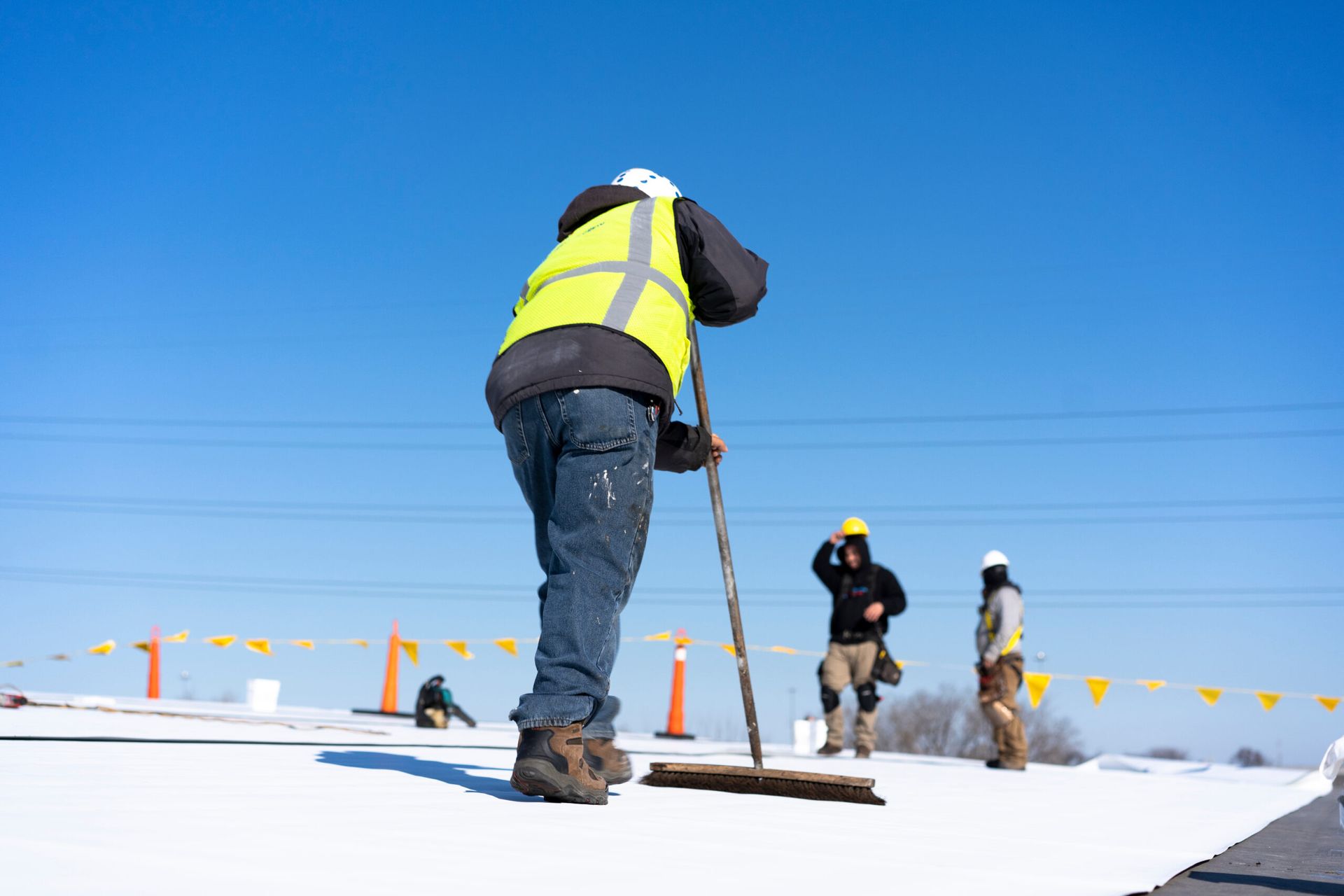
That’s where the team brought in industrial coating chemists. The ask was specific and difficult: keep the toughness, the flexibility, the UV resistance, and the chemical resistance of polyurea — but make it something a working roofing crew could actually install. Not in a lab. On a Tuesday, in Saint Louis, in 80-degree heat, on a roof that isn’t perfectly clean.
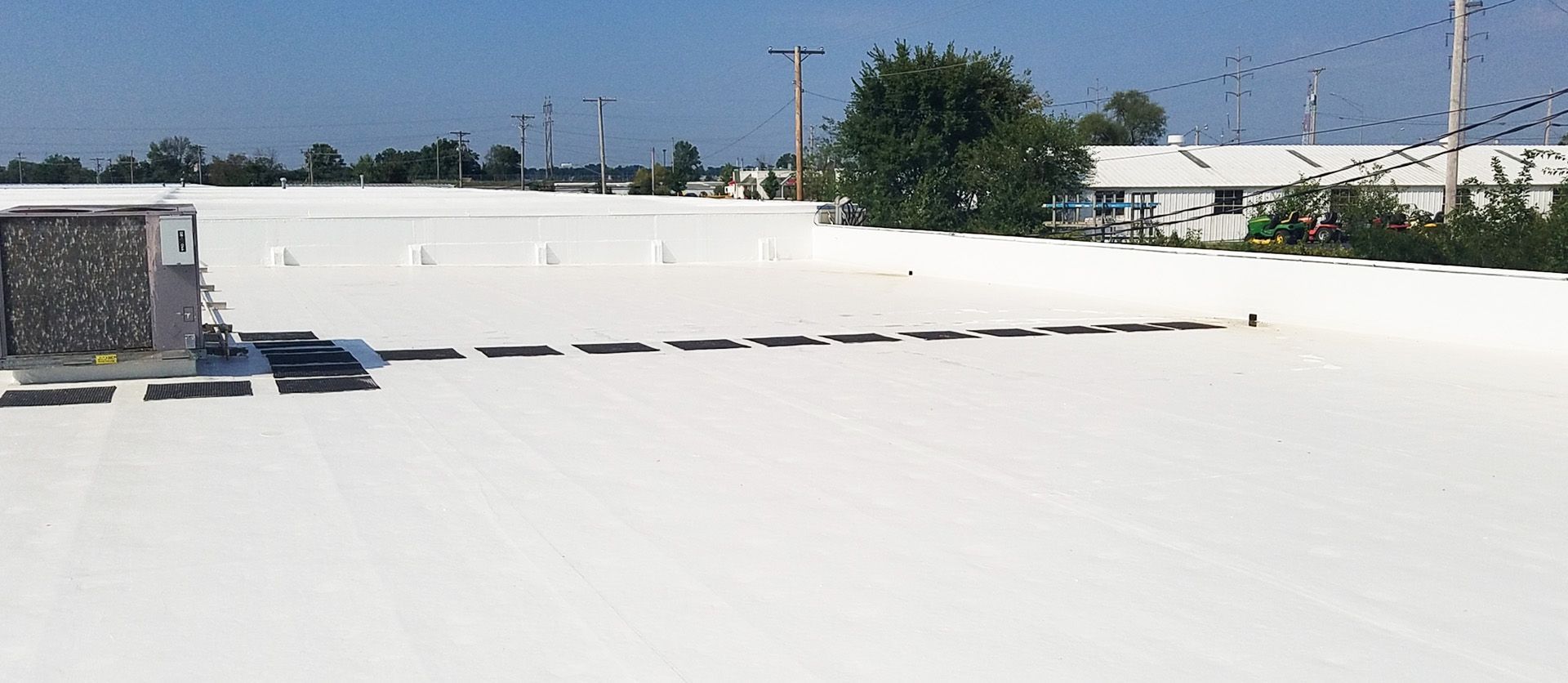
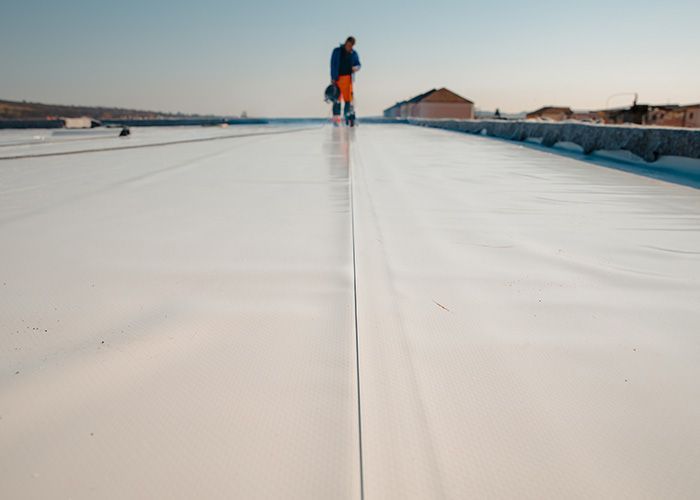
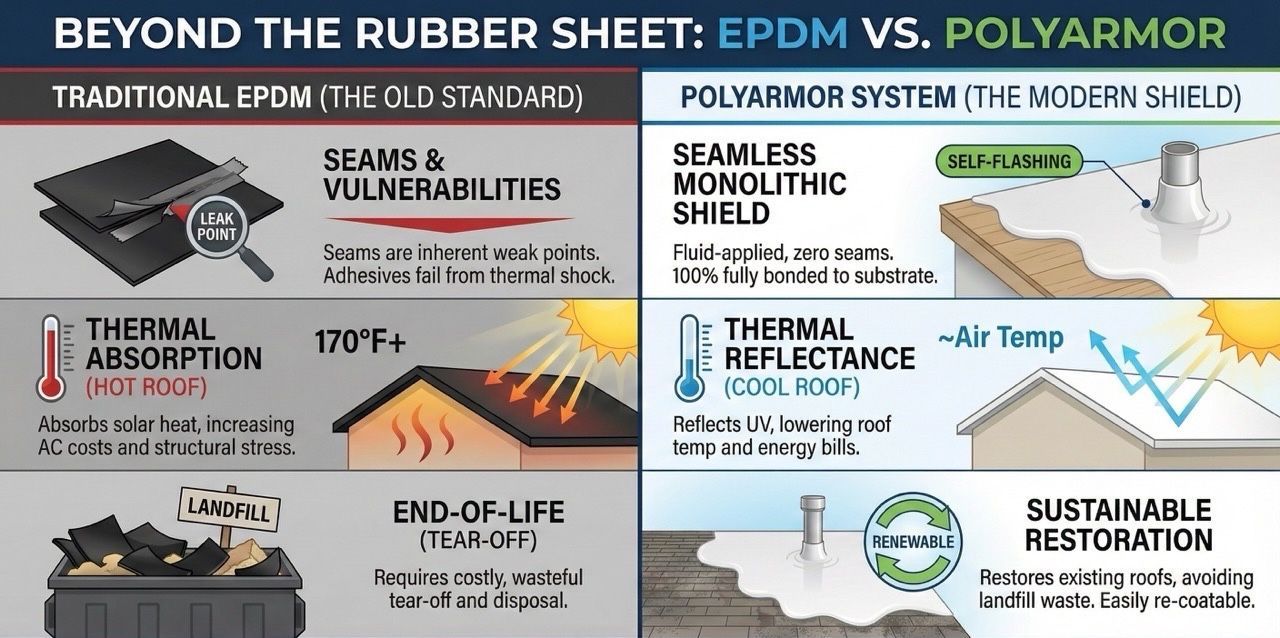
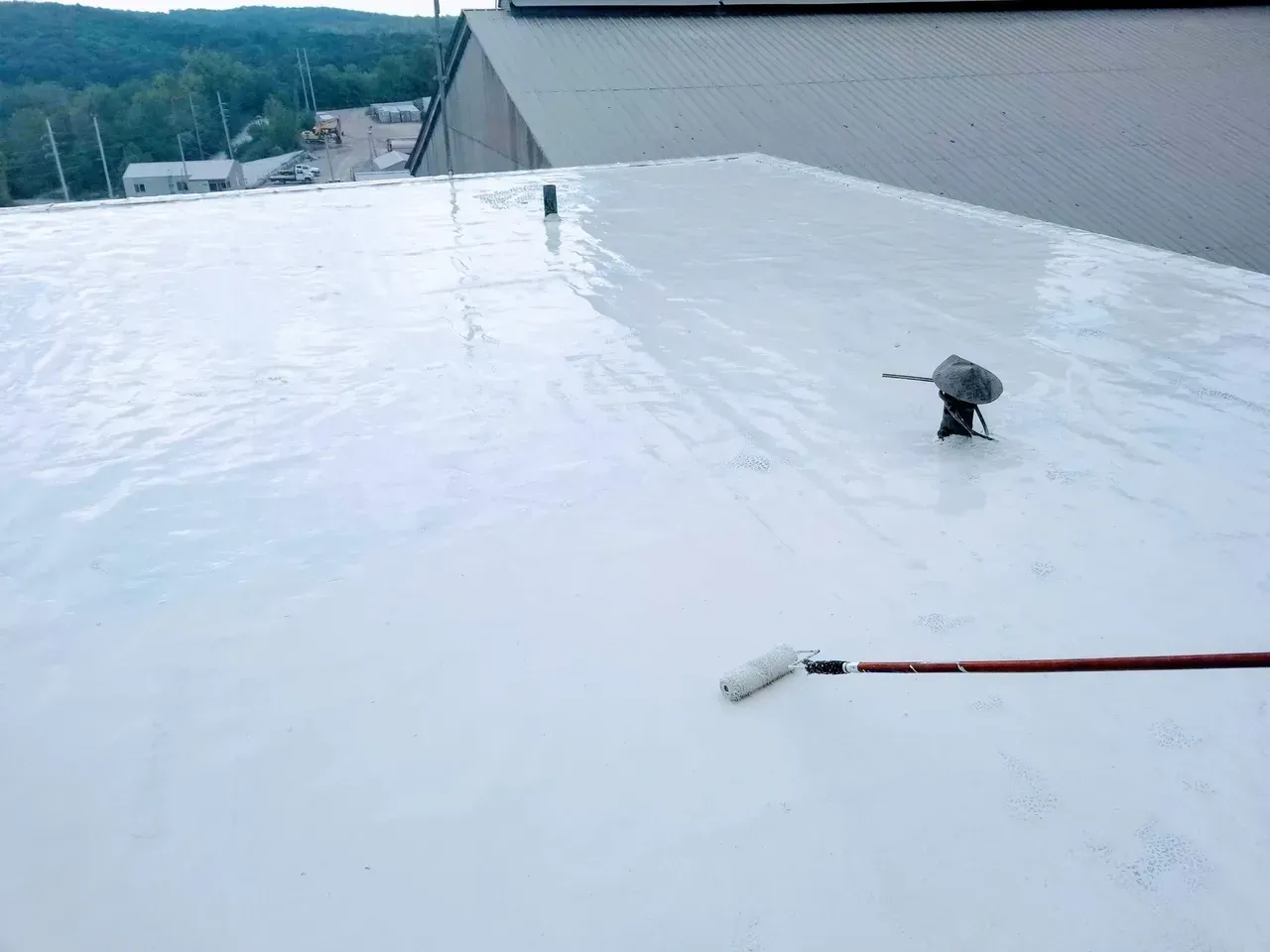
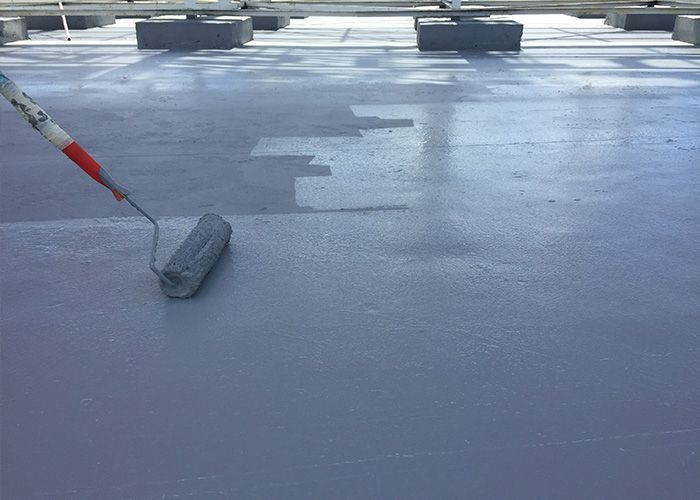
What came out of that collaboration is the PolyArmor system. A modified polyurea that can be sprayed when conditions call for speed and volume, but can also be applied by squeegee or roller for detail work around drains, flashings, parapet walls, and rooftop equipment. Same material in the field as in the details — which means no weak transitions where two different products meet.
The chemistry is the part customers hear about first, but the bigger innovation is actually the applicator-friendly formulation. A coating that only a specialty crew can install is a coating most buildings will never get.
Why the Certified Contractor Model Matters
The team made another early decision that shaped everything that followed: PolyArmor would not be sold in big-box stores. It would only be applied by contractors who had been trained, certified, and held to a standard.
That’s a harder go-to-market than just selling buckets. But it’s the right one for a product whose performance depends on surface preparation, mil thickness, and careful detail work. A certified PolyArmor contractor has been through the training, understands the system, and carries real workmanship accountability. The manufacturer knows who is on every roof — because they trained them.
That model is also why the warranty means something. When the applicator and the manufacturer are part of the same ecosystem, there’s no finger-pointing when something needs service. Somebody owns the outcome.
Still a Hands-On Company
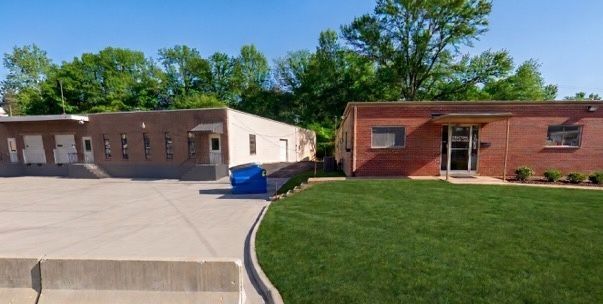
Structural Repair Products is headquartered at 9449 Watson Industrial Park in Saint Louis, Missouri. It’s not a branded campus. It’s a working facility where the same team that founded the company is still running it — making product, training contractors, answering technical calls, and walking roofs when a project gets complicated.
The company’s operating line — “We don’t fix roofs, we build relationships” — sounds like a tagline, but in context it’s a description of how the business actually runs. A certified contractor network is a relationship business. You can’t train a crew once and forget them. You can’t send product out the door without knowing where it’s going. The team built the company on the assumption that every building owner would eventually call back, and every contractor would eventually need help on something hard.
What This Means for Your Roof
When you hire a PolyArmor contractor, you’re not buying a coating off a shelf. You’re plugging into a chain that runs from a chemist in a lab, to a manufacturer who learned the problem on their own roofs, to a certified crew whose work gets inspected, to a warranty that’s backed by all of them.
That’s a different product than a bucket of coating with a brand name on it. It’s also why PolyArmor-coated roofs tend to outlast the warranties they came with.
If you want to talk to a certified contractor about your building, start at polyarmorroof.com or call the Saint Louis office directly at (314) 736-1202. The team that answers the phone is the same team that wrote the formula.