Decoding Flat Roof Repair Pricing: What You’re Really Paying For
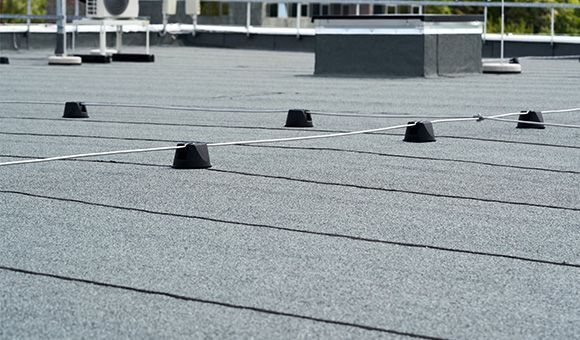
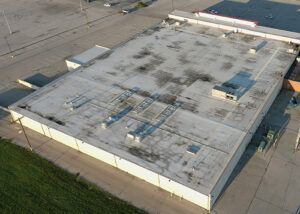
For many building owners, the flat roof is a “set it and forget it” feature—until the first water stain appears on the ceiling. At that moment, the primary concern shifts from aesthetics to economics. Navigating the world of flat roof repair pricing can feel like a moving target. Quotes vary wildly, and the terminology—EPDM, TPO, PVC, Modified Bitumen—sounds more like a chemistry lab than a home improvement project.
Understanding the true cost of maintaining a flat roof requires looking past the immediate patch job. It requires an analysis of labor, material longevity, and the hidden “gotchas” that often double a quote once the work begins. By understanding the industry standards and comparing them to modern, high-performance solutions like PolyArmor, you can stop overpaying for temporary fixes and start investing in a permanent dry structure.
The Real-World Costs of Flat Roof Maintenance
When you start researching flat roof replacement cost and repair averages, the numbers can be daunting. Industry data suggests that a full replacement for a flat roof typically ranges between $5 and $12 per square foot, depending on the material and the complexity of the structure. For a standard 1,500-square-foot roof, you could easily be looking at an invoice between $7,500 and $18,000.
Repair pricing is slightly different but often more frustrating. Minor repairs might cost a few hundred dollars, but they are frequently “band-aid” solutions. If the underlying substrate is saturated or the seams are failing across the entire surface, those small repairs become a recurring monthly expense. The factors that most heavily influence your final bill include:
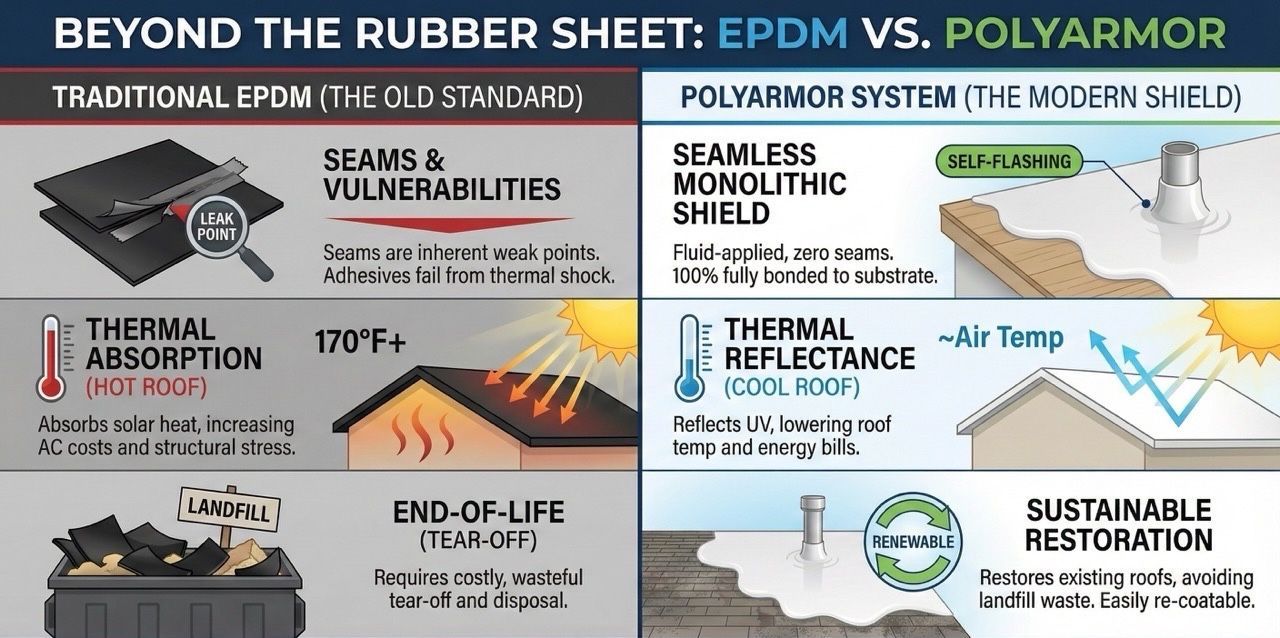
- Material Choice: Traditional membranes like EPDM (rubber) are common but require extensive seaming, which is the primary point of failure.
- Labor Intensity: Flat roofs often require specialized heat-welding or adhesive applications that drive up the hourly rate of the crew.
- Disposal Fees: If your existing roof needs to be “torn off” and hauled to a landfill, you are paying for both the destruction of the old roof and the construction of the new one.
- Roof Complexity: Every HVAC unit, skylight, and vent pipe adds “penetrations” that must be flashed and sealed, increasing the time and precision required.
Why PolyArmor Changes the Repair Equation
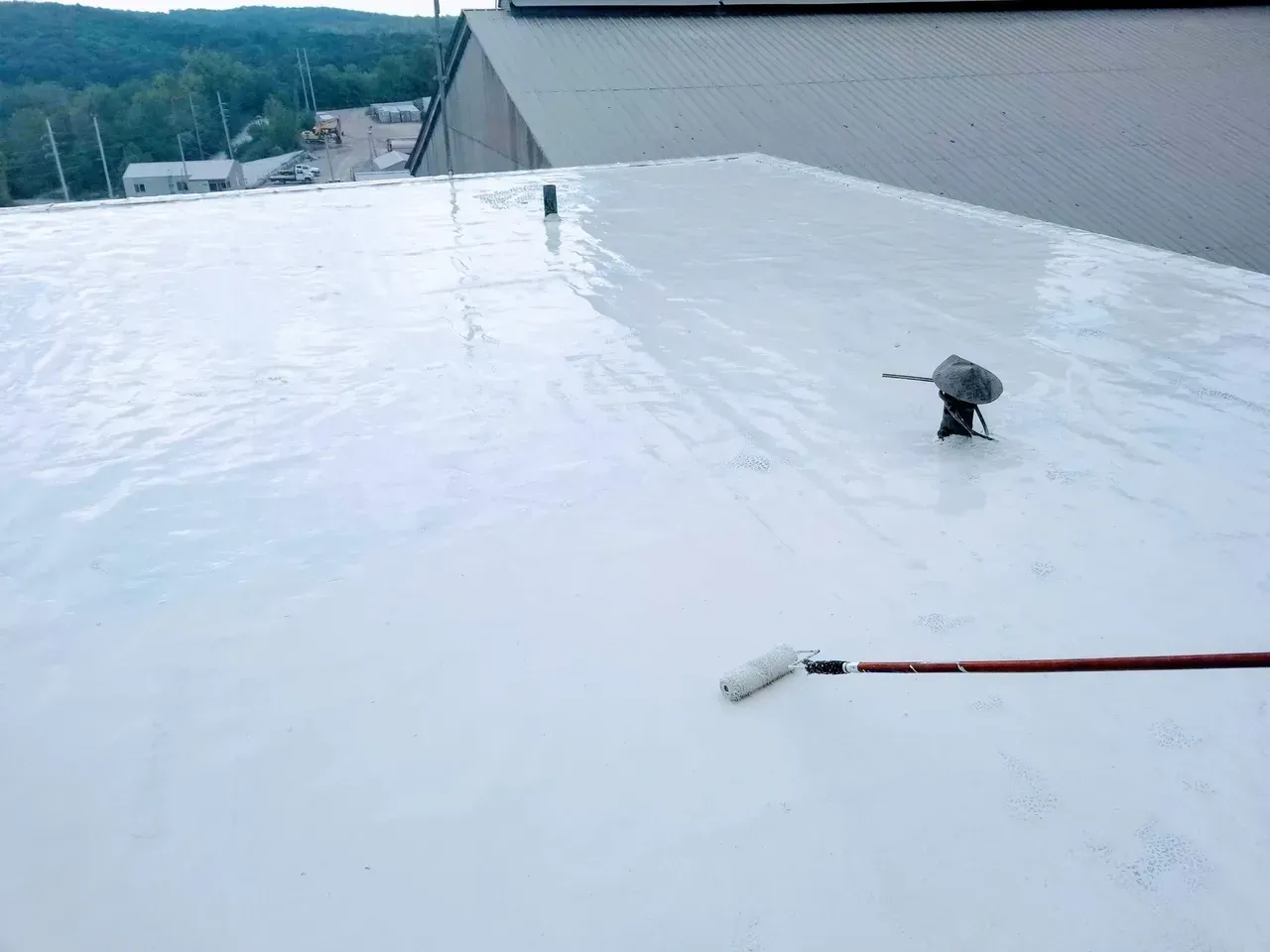
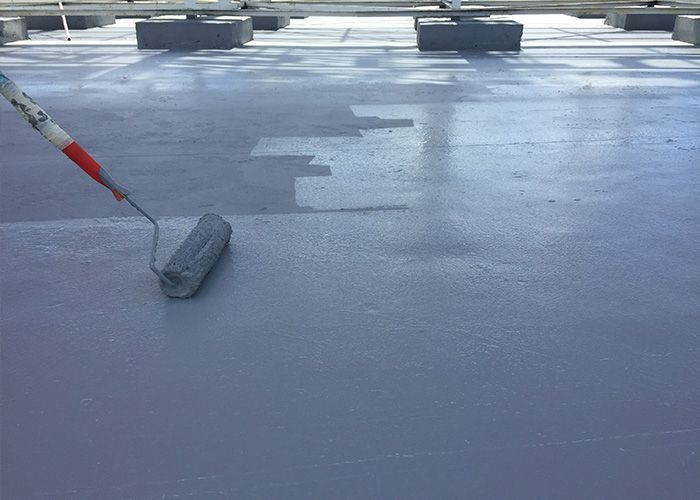
The traditional cycle of “patch, leak, repeat” is exactly what PolyArmor was designed to break. When evaluating flat roof repair pricing, the most expensive option is often the one you have to do twice. PolyArmor shifts the focus from temporary repairs to a comprehensive, liquid-applied membrane system that essentially “shrink-wraps” your entire roof in a seamless, monolithic barrier.
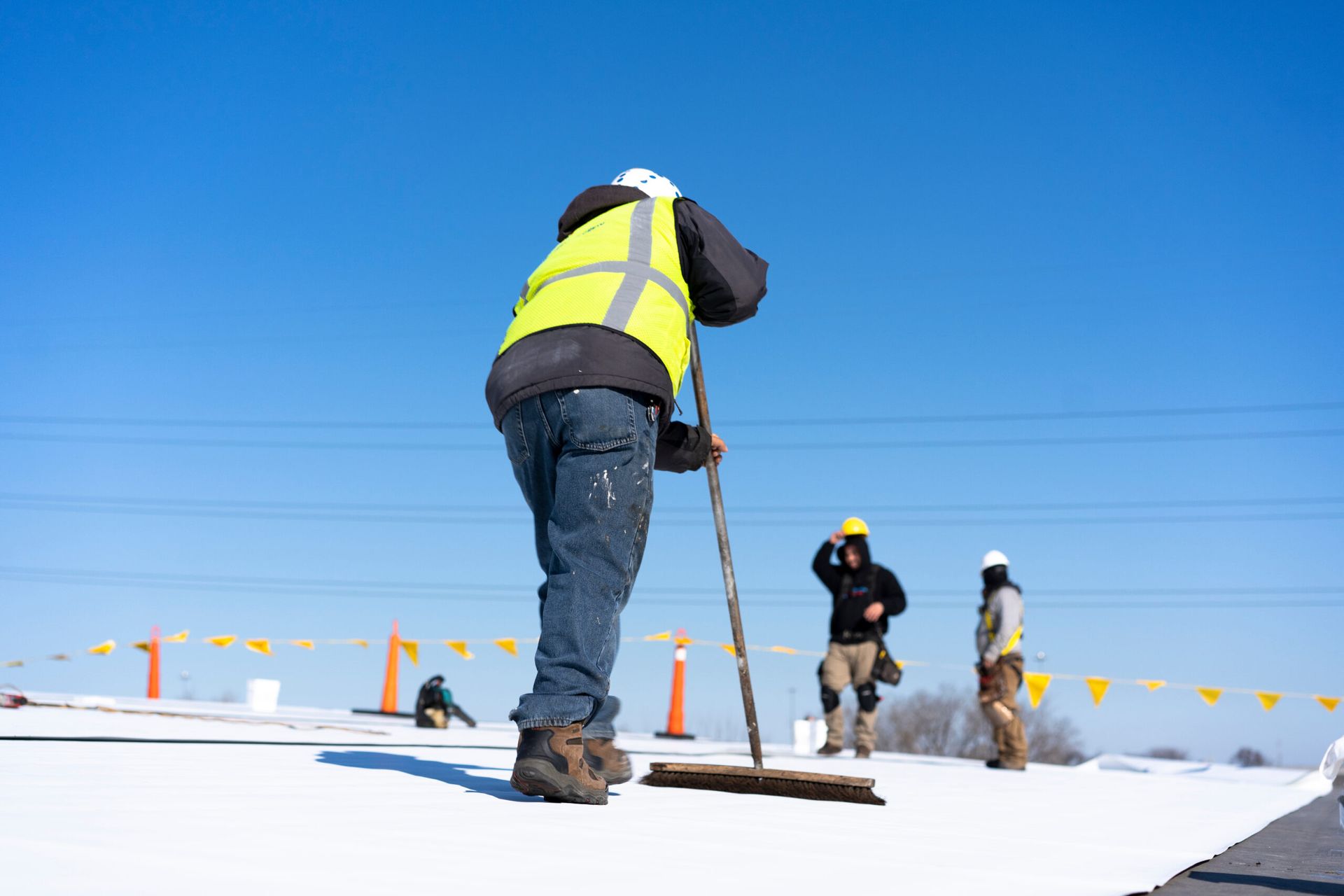
One of the most significant ways to save money with PolyArmor is by eliminating the need for a total tear-off. Traditional roofing wisdom suggests that when a roof fails, you must strip it to the deck. This is labor-intensive, environmentally wasteful, and incredibly expensive. PolyArmor’s unique chemistry allows it to be applied over most existing roof types, turning your old, failing roof into a functional substrate for a new, high-performance shield.
Avoiding the Massive Expense of Tear-Offs
A tear-off can account for up to 30% to 40% of a total roofing quote. Between the manual labor of prying up old materials and the skyrocketing costs of dumpster rentals and landfill taxes, you’re spending thousands of dollars just to get back to “zero.” Because PolyArmor is a fluid-applied system, it bonds directly to the existing surface (after proper cleaning and priming), effectively bypassing the demolition phase of the project. This keeps those thousands of dollars in your pocket while keeping tons of debris out of local landfills.
The Math of Longevity and ROI
When people look at flat roof repair pricing, they often fail to account for the “cost per year of service.” A cheap patch might cost $500 and last two years ($250/year). A traditional replacement might cost $10,000 and last 15 years ($666/year).
PolyArmor is engineered for extreme durability, resisting UV degradation, ponding water, and thermal expansion. Because it is seamless, there are no edges to peel up or glue to fail. When you calculate the lifespan of a PolyArmor system—which can be easily “renewed” with a simple topcoat decades down the road—the annual cost of ownership drops significantly below traditional membrane roofs.
Beyond the Invoice: Indirect Savings
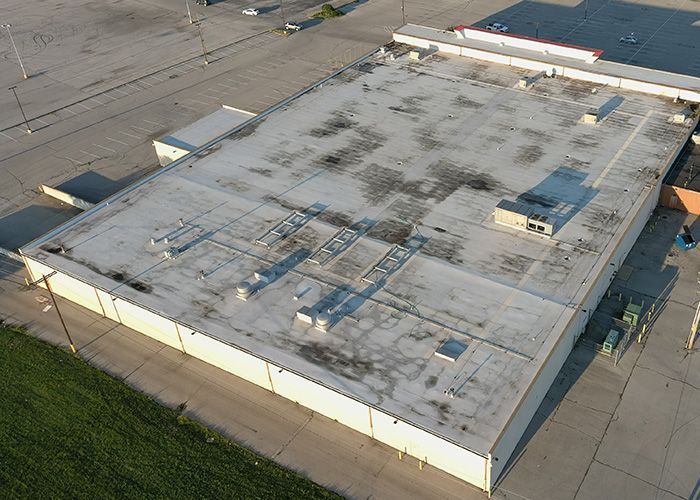
Optimizing your roof repair budget isn’t just about the check you write to the contractor. It’s also about the checks you stop writing to the utility company. Flat roofs are notorious for absorbing heat, especially if they are dark-colored EPDM or modified bitumen. This “heat island” effect forces your HVAC system to work overtime to keep the building cool.
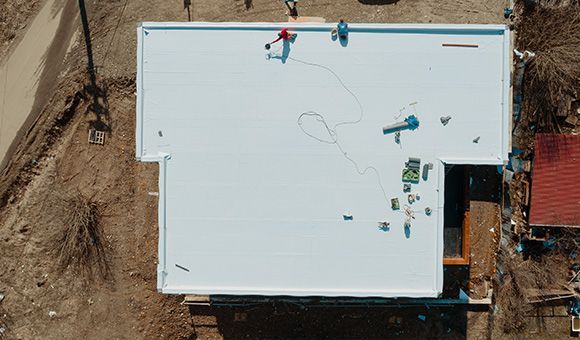
The PolyArmor system is highly reflective. By bouncing solar radiation back into the atmosphere rather than absorbing it into the building, it can lower roof surface temperatures by up to 50 or 60 degrees. This translates to:
- Reduced Cooling Costs: Lowering monthly electricity bills by 15% to 30% during peak summer months.
- HVAC Longevity: Since your cooling system doesn’t have to cycle as frequently, you extend the life of your expensive mechanical equipment.
- Structural Stability: By keeping the roof cool, you reduce the “thermal shock” (expansion and contraction) that causes cracks and leaks in the building’s structure.
A Smarter Way to Approach Your Quote
If you are currently looking at a stack of quotes for flat roof repair, it is time to ask the hard questions. Don’t just look at the bottom line; look at the value. Are they quoting a patch that will fail in three years? Are they charging you $5,000 just to haul your old roof to the dump?
The evolution of roofing technology means that you no longer have to accept the “traditional” high costs of maintenance. By utilizing a system that prioritizes seamless protection and avoids unnecessary demolition, you can achieve a superior result for a much more logical investment. Flat roof repair pricing should be about more than just stopping a leak today—it should be about securing your structure for the next twenty years without breaking the bank.
When you choose a solution that addresses the root causes of flat roof failure—seams, UV damage, and ponding water—you aren’t just paying for a repair. You are investing in a high-performance asset that pays for itself through energy efficiency, reduced labor, and an end to the cycle of emergency repairs. That is the PolyArmor advantage.