Why PolyArmor Is the Smart Fix for Flat Roofs
If you own or manage a building with a flat roof, you already know the drill. Every few years, someone hands you a bid for a full tear-off that costs more than your HVAC budget, shuts down half your operation, and sends a dumpster’s worth of old membrane to the landfill. It’s the industry default, and for a long time it was the only real answer when a commercial roof started leaking at the seams.

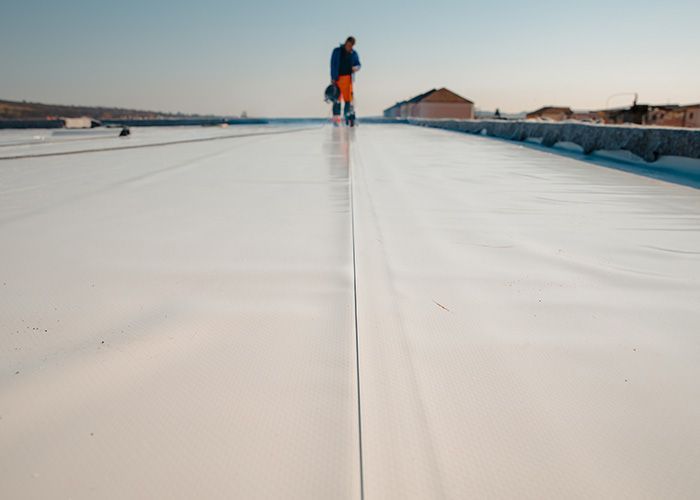
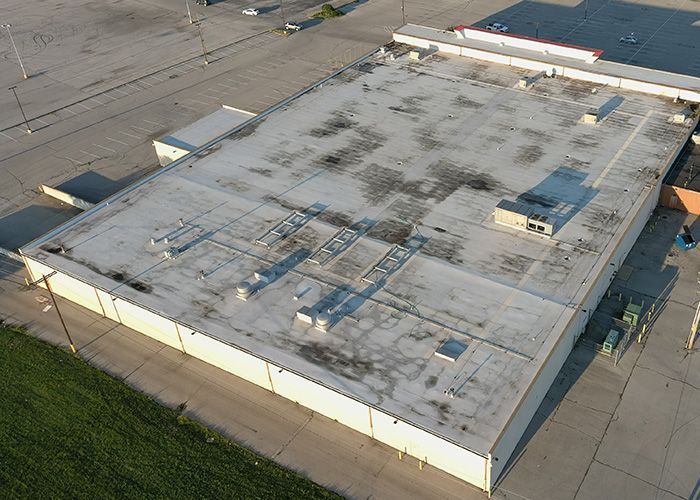
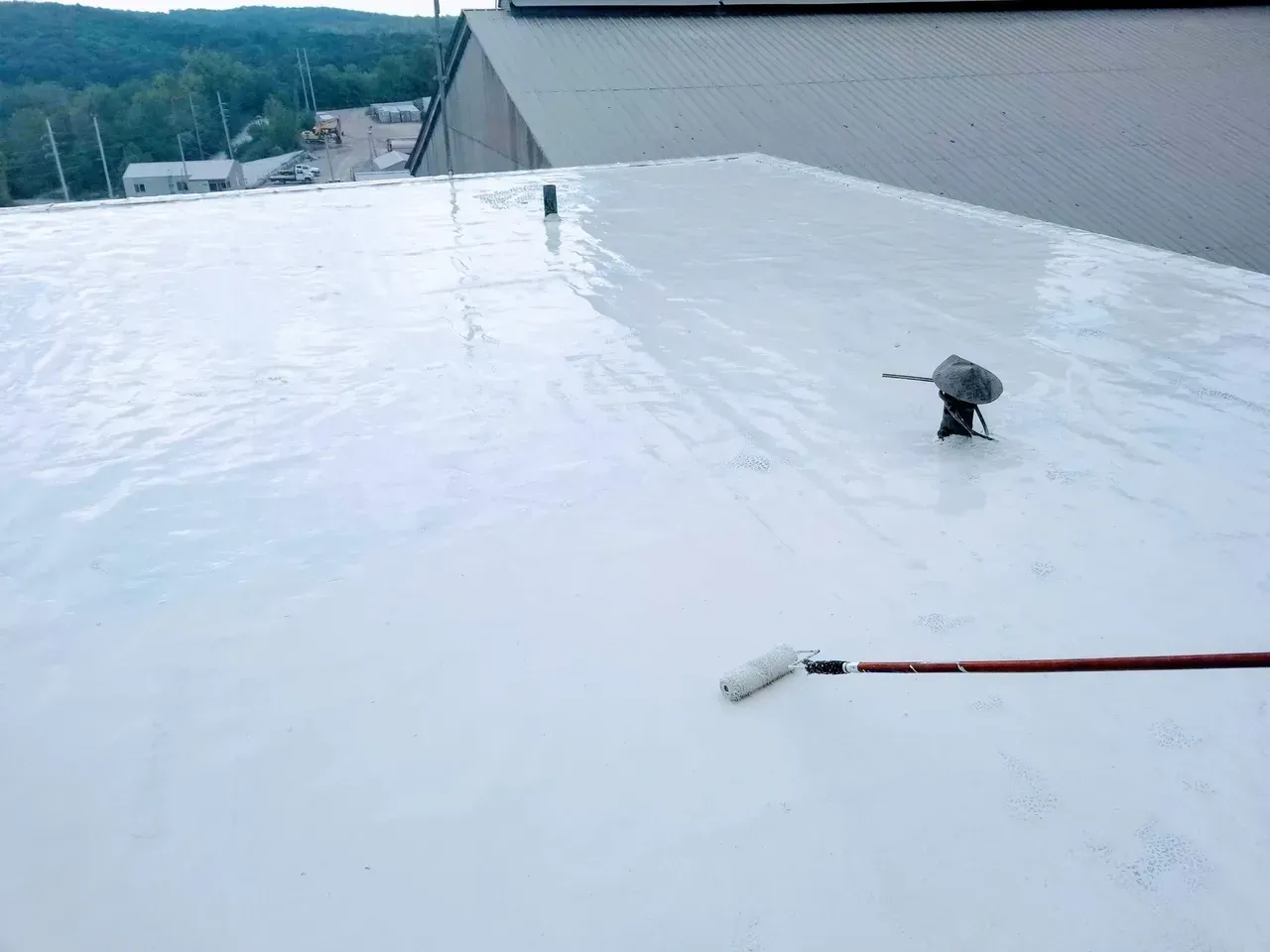
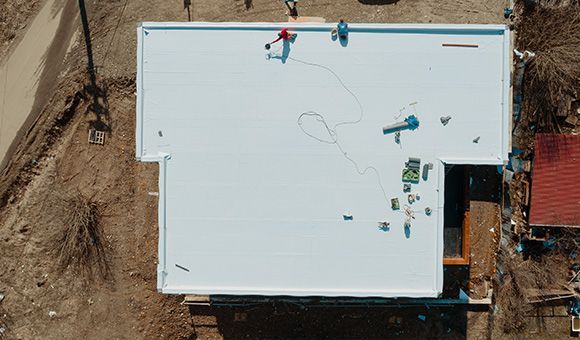
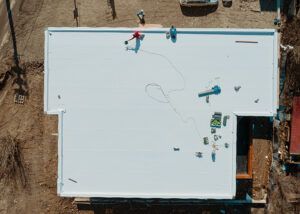
PolyArmor was built to change that default. It’s a seamless, fluid-applied polyurea coating engineered specifically for flat and low-slope commercial roofs — the kind of monolithic membrane that restores what’s already on the building instead of ripping it off. For most buildings, that shift from replace to restore is the difference between a capital project and a maintenance line item.
Flat Roofs Don’t Fail the Way You Think They Do
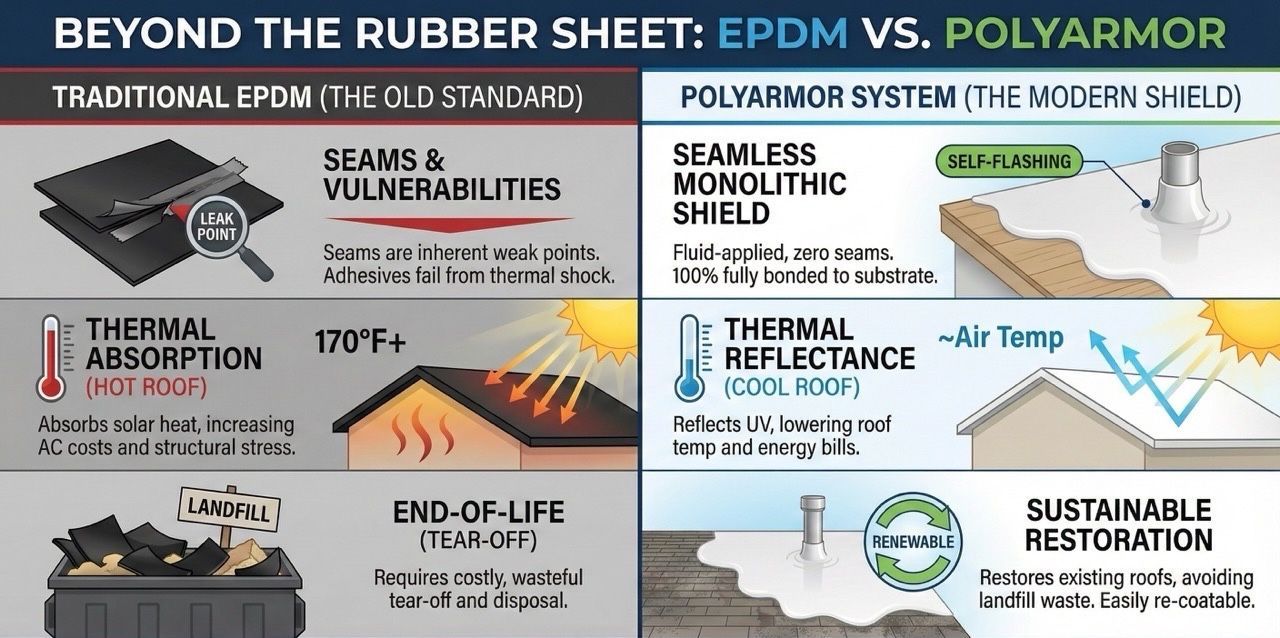
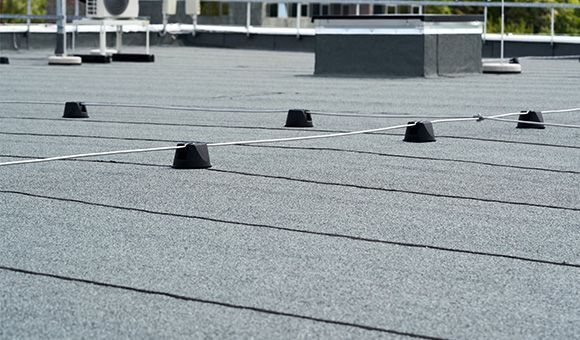
Flat roofs almost never fail in the middle of a panel. They fail at the seams, the flashings, the penetrations, and the fasteners — the exact places where traditional systems have a joint instead of continuous material. Research from the National Roofing Contractors Association has consistently pointed to seam and flashing failures as the leading source of leaks on single-ply membranes like EPDM and TPO.
That’s a design problem, not a workmanship problem. The moment you break a roof into pieces that have to be glued, welded, or mechanically fastened together, you’ve introduced the future leak. Heat cycles pull those joints apart. UV exposure chalks and shrinks the membrane. Foot traffic from HVAC techs punches holes. Over 10 or 15 years, the roof gets tired of losing that fight.
A seamless membrane sidesteps the whole problem. There are no seams to pull apart because there are no seams, period.
What Actually Sets PolyArmor Apart
There are a handful of fluid-applied coatings on the market. Acrylics are cheap but soft, and they redissolve in ponded water. Silicones resist UV well but are notoriously slick, hard to recoat, and won’t take foot traffic. Traditional polyurethanes can be durable but are fussy about temperature and humidity.
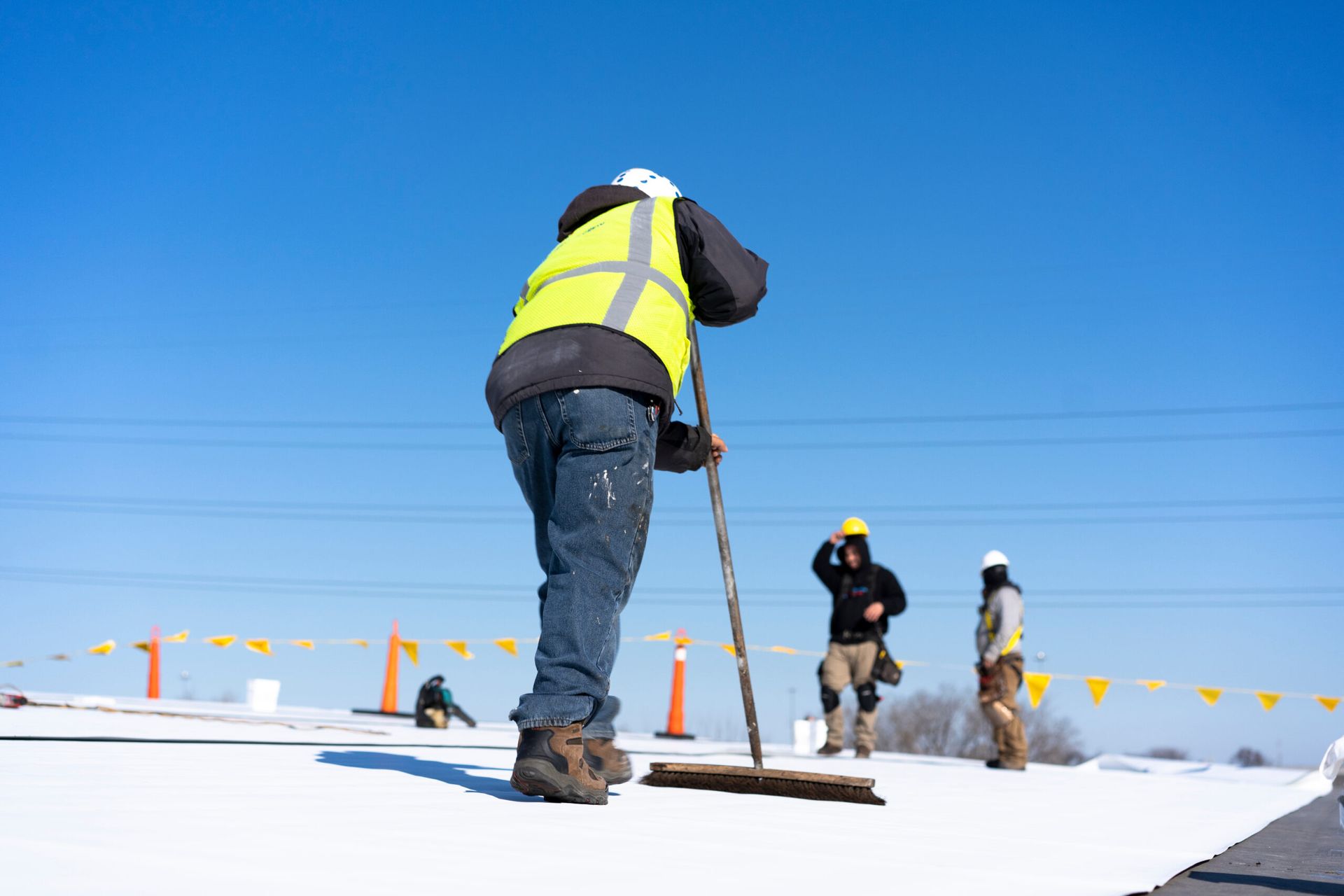
PolyArmor is a modified polyurea — a chemistry originally engineered for truck bed liners and industrial containment, where the substrate gets beaten on daily and failure isn’t an option. That heritage is the point. When the PolyArmor team was looking for something tough enough to hold up in cement plants and other brutal industrial environments, they didn’t start with a roof coating and try to make it tougher. They started with one of the toughest spray-applied elastomers in existence and figured out how to put it on a roof.
The result is a coating with three qualities you rarely see in the same product:
- 100% solids, rapid set. It doesn’t shrink as it cures because there are no solvents flashing off. You get the film thickness you paid for, and the roof is walkable fast.
- Flexible enough to move with the building. Commercial roofs expand and contract every day. A brittle coating telegraphs every stress crack. PolyArmor stays elastic through normal thermal cycling.
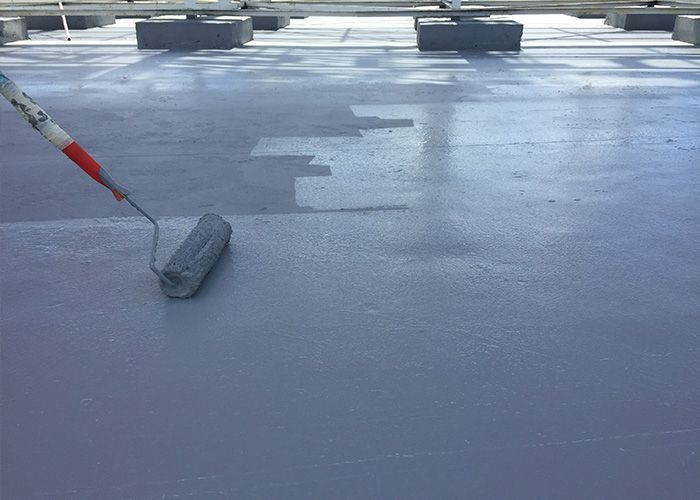
- Applied by spray, squeegee, or roller. That’s not a small detail. It means detail work around drains, curbs, and penetrations can be handled with the same material as the field, so the weakest parts of the roof end up with the same seamless protection as the strong parts.
Restoration Is Almost Always the Better Math
The EPA has estimated that building-related construction and demolition debris accounts for more than 600 million tons of waste generated in the United States every year — more than twice the volume of municipal solid waste. A tear-off roof is a big contributor to that number. So when the math on restoration works, it works on two fronts: the building owner saves money, and nobody has to pay to bury the old roof.
On a typical commercial building, PolyArmor’s savings over a full reroof land in the 40-50% range, sometimes more. Part of that is material. Part of it is labor — there’s no demolition crew, no crane, no replacement insulation. And part of it is the soft cost nobody itemizes: the business stays open. No tenants relocated. No production line tarped over. No customer-facing disruption while the roof is gone.
The system adds 15 to 20 years of additional service life to a roof that was otherwise a few years from replacement. Renewing the coating at the end of that cycle extends it again, which is why the economics keep compounding in the owner’s favor.
Where It Fits (and Where It Doesn’t)
PolyArmor is a good fit for most flat and low-slope commercial roofs that are structurally sound — EPDM, TPO, PVC, modified bitumen, and metal. It’s not a fix for a saturated insulation deck or a roof that’s structurally failing. A certified PolyArmor contractor walks the roof, probes for wet insulation, addresses any localized substrate issues, and only then prices a restoration. If the roof is too far gone, they’ll tell you. That honesty is a feature, not a bug.
What to Do Next
If your flat roof is between 10 and 20 years old and you’ve started budgeting for a replacement, get a PolyArmor assessment before you commit to a tear-off. It’s a 30-minute conversation that can change a six- or seven-figure capital project into a routine restoration.
Request a free flat roof evaluation from a certified PolyArmor contractor at polyarmorroof.com or call (314) 736-1202. Bring your most recent roof inspection report if you have one — it’ll make the conversation faster.