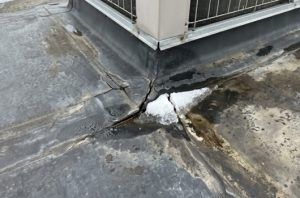
Why Spring Is the Right Time to Coat Your Flat Roof
There’s a reason your roofing contractor’s phone starts ringing the week the temperature breaks 55 degrees. Winter is unkind to flat roofs, and by mid-April most building owners are staring up at ceiling tiles that weren’t stained in October. If you’ve been putting off a decision about your commercial roof, spring isn’t just a convenient window — it’s the window that gives you the best outcome for the least money.

Here’s why the next eight to ten weeks are the right time to get a PolyArmor roof coating on the calendar.
Winter Already Showed You Where the Problems Are
A dry summer roof hides its sins. Small seam separations, pinholes in old caulk, failing flashing around a rooftop unit — in July, a roof like that looks fine. The water has to come from somewhere before it can reveal a leak.
Winter provides that water in abundance, and it does so under the worst possible conditions for a roof. Freeze-thaw cycling is the single most destructive force on commercial roofing. Water finds a hairline gap, freezes overnight, expands roughly 9% by volume, and pries the gap open another fraction of an inch. The next day it melts, migrates deeper, and does it again. Over a single Midwest winter, that cycle can happen 50 or more times on the same crack.
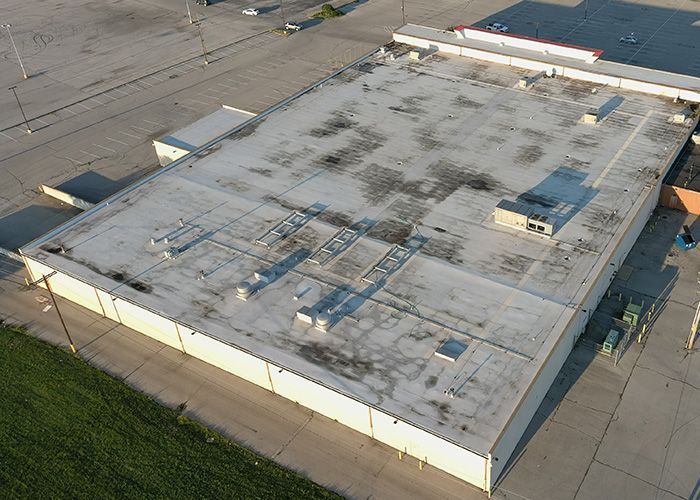
FEMA and the Whole Building Design Guide both identify freeze-thaw damage as one of the most common causes of premature flat-roof failure. By April, everything winter wanted to expose is exposed. Leaks are active, wet insulation is detectable, and stressed seams have stretched far enough to show up on an infrared scan. You finally know, in specific detail, what your roof actually needs — instead of guessing from last summer’s clean ceilings.
Application Conditions Are About to Be Ideal
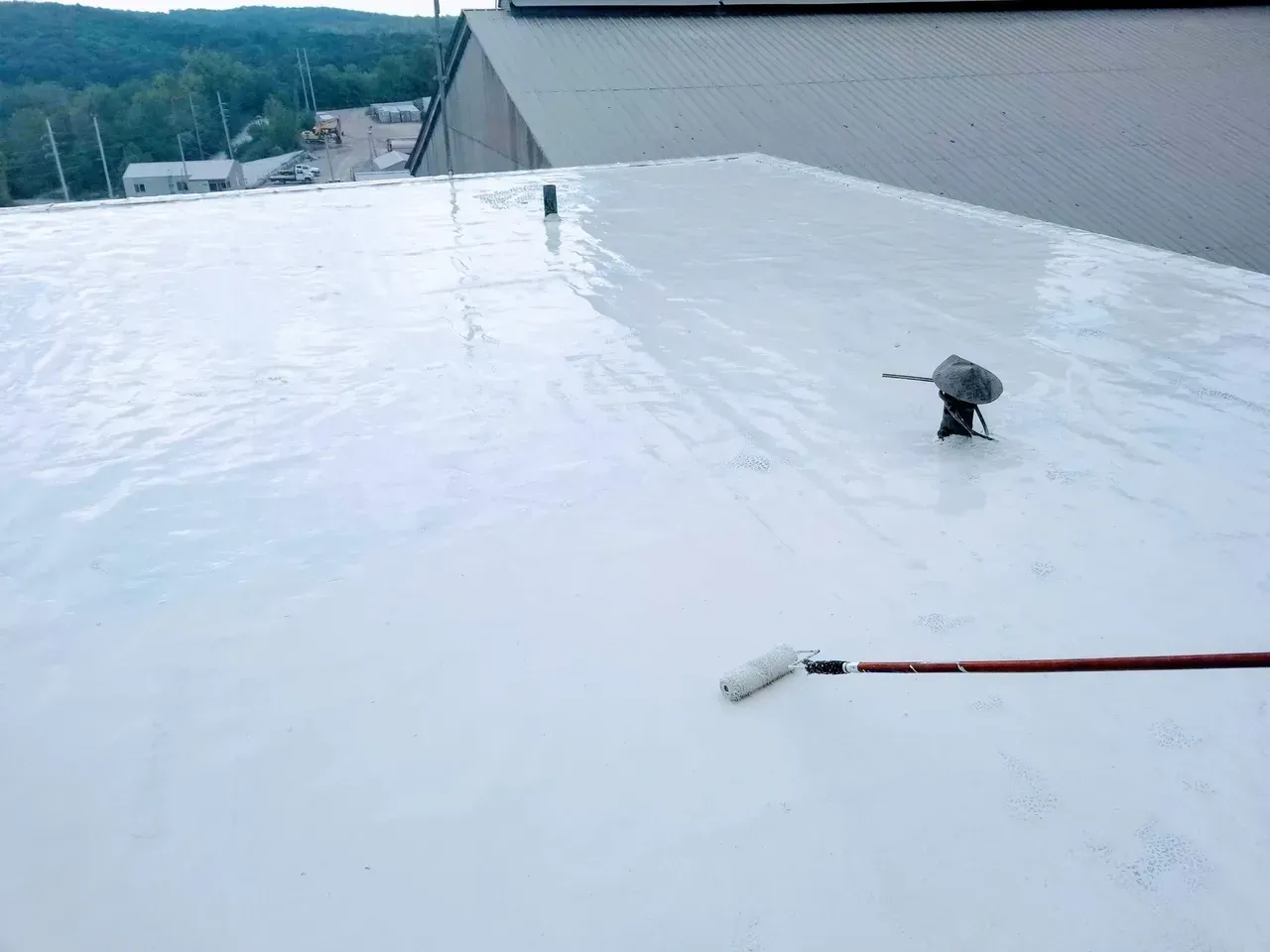
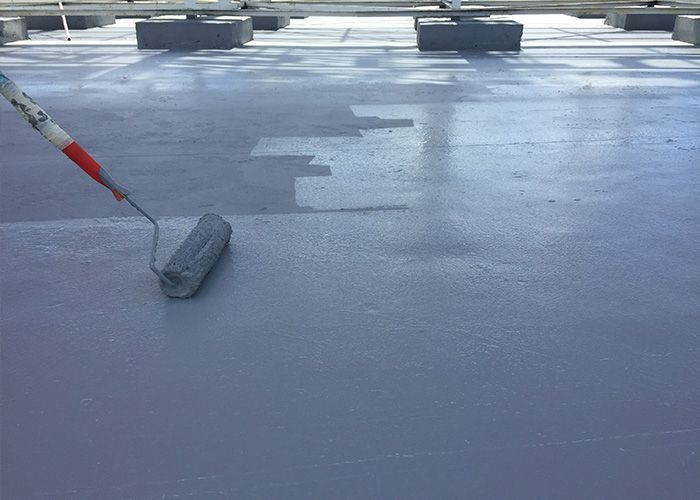
Polyurea coatings like PolyArmor cure through a chemical reaction rather than solvent evaporation, which makes them less weather-sensitive than acrylics or traditional urethanes. But every coating has a window where it performs best, and that window opens in spring.
What crews are looking for:
- Substrate temperature above 50°F and rising. Cold roofs hold condensation on the surface, and a damp substrate is the enemy of adhesion. By April and May across most of the country, that problem disappears for the season.
- Dew point at least 5°F below surface temp. Spring mornings hit this consistently by mid-morning. Summer humidity can make the math harder, not easier — some summer days never open a clean application window.
- 14+ hours of daylight. Big roofs benefit from long days. A crew that can work 10 productive hours gets a lot more square footage coated between weather events than a crew fighting November’s 4:45 sunset.
The stretch from April through June gives crews the most usable workdays of any season. That means your project finishes faster, with fewer weather delays, and on the schedule you were quoted.
You Beat the Summer Heat Surcharge
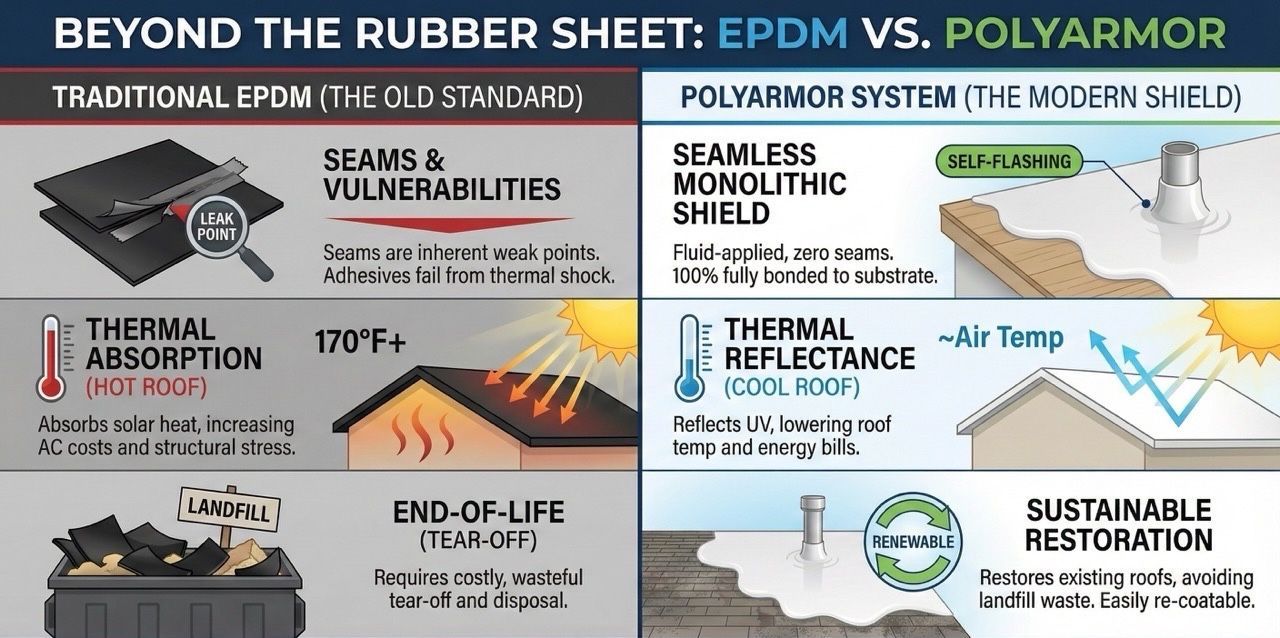
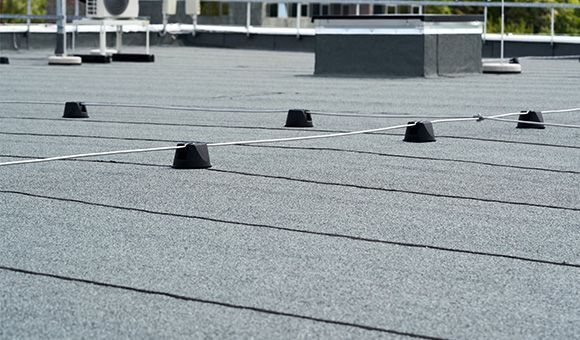
Every flat roof in the country gets abused by summer. A dark membrane in full sun can hit surface temperatures of 160–180°F — easily 80 degrees hotter than the air. The National Renewable Energy Laboratory has documented that those extreme rooftop temperatures dramatically shorten membrane life and force HVAC systems to work harder cooling the building below.
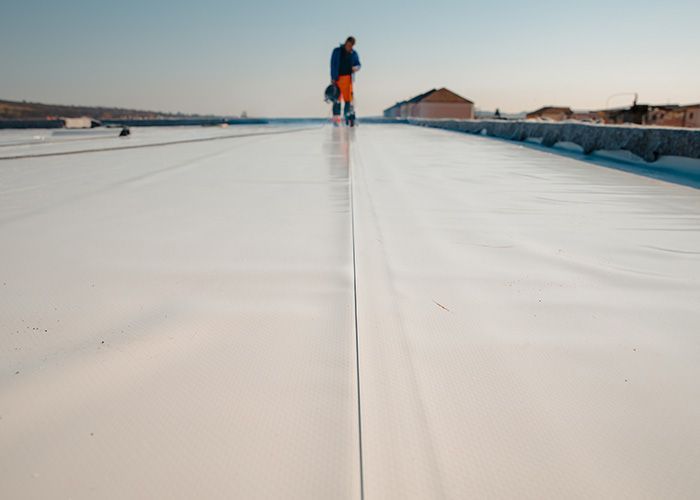
A reflective PolyArmor coating cuts that heat load significantly. Studies on reflective “cool roof” coatings have shown rooftop temperature reductions of 50°F or more on sunny days, with corresponding reductions in cooling load. Every month you wait to coat is a month your existing dark membrane is cooking and your HVAC is paying for it. Spring application means you capture those savings for the entire cooling season, not just the tail end of it.
Contractor Schedules Aren’t Full Yet
Certified PolyArmor contractors book up fast once the season gets rolling. By mid-June, most are scheduling into August or later. Spring calls get first pick of the calendar, which usually means a tighter project window, preferred crew, and sometimes better pricing before materials hit peak demand.
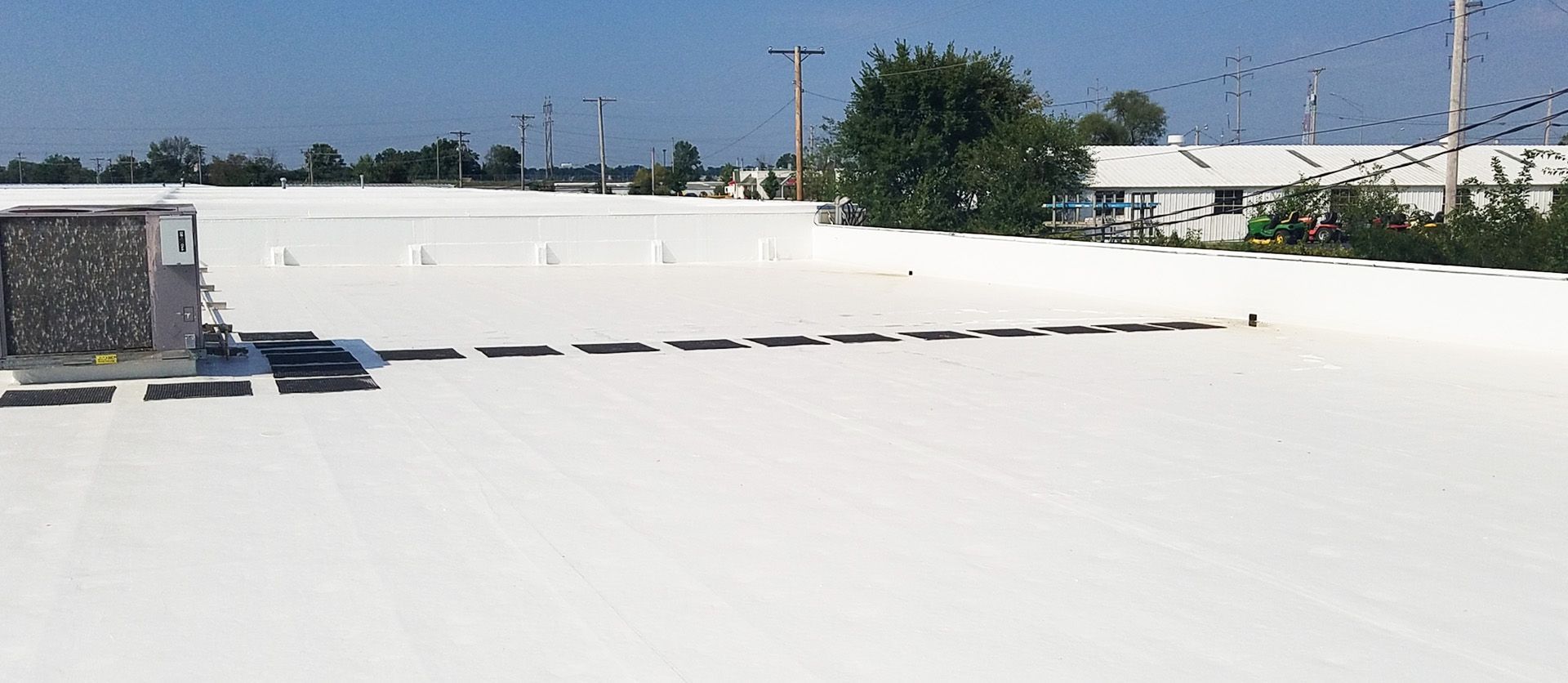
This matters more than it sounds. A crew that’s rushing between three overlapping summer jobs is not the crew that does careful detail work around your curbs and drains. A crew that got your project locked in March and is focused on your building has the bandwidth to do it right.
Insurance and Budget Cycles Line Up
Most commercial insurance policies run on a calendar year, and many require documentation of roof maintenance to keep coverage in good standing. A spring coating project gives you the rest of the year to submit documentation, update your loss-control file, and potentially qualify for premium adjustments at renewal.
On the budget side, spring is when most operations and facilities managers have Q1 actuals in hand and know what’s left in the capital budget. It’s the moment when a decision about the roof stops being theoretical and becomes an approved line item.
The Cost of Waiting Another Summer
A roof that was going to need attention this year doesn’t get better on its own. Every storm cycle, every 100-degree day, every heavy rain either accelerates the failure or drives water into insulation that has to be replaced later at 10 times the cost. Waiting isn’t saving money — it’s deferring a bigger bill.
If your flat roof is showing its age, this spring is the right window. Request a free roof assessment from a certified PolyArmor contractor at polyarmorroof.com or call (314) 736-1202. The evaluation is free, the recommendation will be honest, and the timing will never be more in your favor than right now.